
01
Chipped or fractured teeth
from a small chip to a break reaching the nerve
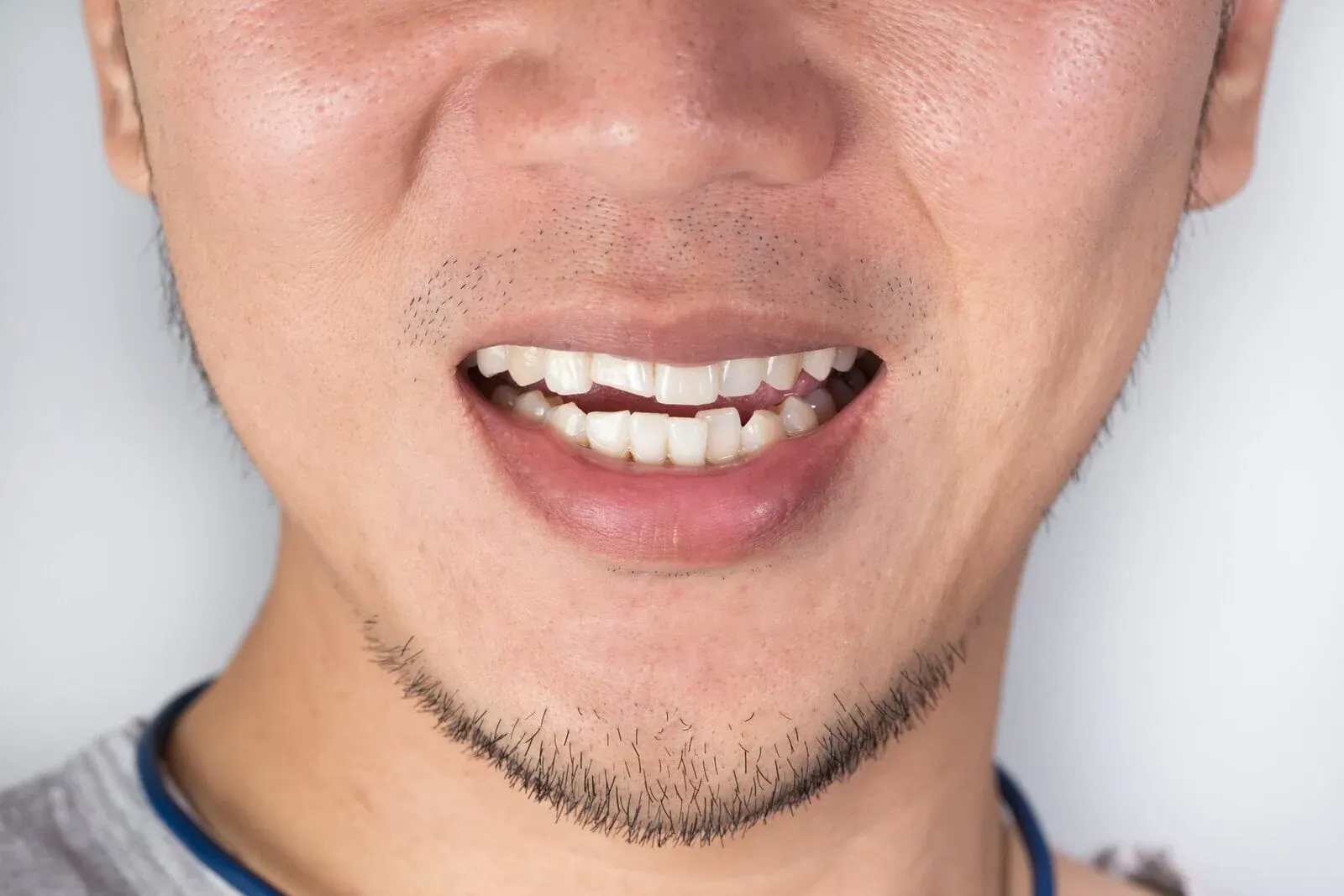
A chipped tooth from a fall, a knocked-out tooth from a bike wreck, or a cracked molar from a weekend game all call for calm, capable care close to home. Clark Dental provides dental traumatic injury treatment in Salisbury, NC, for patients of every age. We accept Blue Cross Blue Shield, Cigna, and Delta Dental, and we welcome new patients who need prompt, gentle attention after an injury. Dr. Chris Clark and our team take the time to explain what happened to your tooth and walk you through your options, so you leave with a clear plan.
Dental trauma is any injury to a tooth, its root, or the tissue around it, including gums, lips, cheeks, or jawbone. It can happen from a fall, a sports collision, a car accident, or biting into something harder than expected. Some injuries are obvious right away. Others, like a hairline crack or a tooth slowly turning gray, show up over the following days.
from a small chip to a break reaching the nerve
loosened or pushed out of position
knocked completely out of the socket
breaks below the gumline not always visible without an X-ray
cuts or tears to the lips, cheeks, tongue, or gums
Getting seen soon after an injury gives a damaged tooth the best chance to heal and gives us the best window for saving a knocked-out tooth through reimplantation. This isn't about creating pressure. It's simply in your best interest to have an injured tooth checked while treatment options are still open.
A tooth that isn't evaluated after an injury can develop problems you can't see. Bacteria can reach the inner pulp and cause infection, a crack can spread deeper into the tooth, and the bone around an unstable tooth can begin to break down. Left long enough, some injuries lead to permanent tooth loss that earlier care could have prevented.
Every injury is different, so treatment starts with a full picture of what's going on. Our approach fits within our broader restorative dentistry services, so whatever your tooth needs, we can provide it in one place.
We begin with a clinical exam and digital X-rays to see the damage above and below the gumline. For more complex injuries, such as a suspected root fracture, we may use 3D cone beam CT scanning for a closer look. This helps us reach an accurate diagnosis and explain it in plain terms.
A small chip may only need dental bonding to restore its shape. A larger fracture might call for a crown to protect and rebuild the tooth. If the injury reached the nerve, a root canal can relieve pain and save the tooth. Loosened teeth are often splinted while they heal, and a knocked-out tooth may be reimplanted if you reach us quickly with the tooth properly stored.
What you do in the first few minutes matters:
Patients aren't always sure whether they need an emergency visit or a scheduled trauma evaluation. Here's how the two differ.
| Feature | Traumatic Injury Treatment | Emergency Dental Care |
|---|---|---|
| Primary focus | Diagnosing and restoring a tooth injured by a specific accident or impact | Addressing severe pain, swelling, bleeding, or infection needing same-day attention |
| Timing | Scheduled promptly, often within a day or two of the injury | Same-day or as-soon-as-possible response |
| Typical procedures | Bonding, crowns, root canals, splinting, reimplantation | Pain relief, infection control, temporary stabilization, referral for follow-up restorative care |
| When to call Clark Dental | You've chipped, cracked, loosened, or knocked out a tooth and aren't in severe distress | You're in significant pain, swelling, or bleeding that won't stop |
If you're not sure which fits your situation, call us. We'll help you decide, and if you need immediate attention, our emergency dental care team can see you.
Our digital X-rays and 3D cone beam CT scanning let us see exactly what's happening with an injured tooth and the bone around it. That precision means an accurate diagnosis and a plan built around what your tooth actually needs.
From evaluation to final restoration, your treatment for traumatic dental injuries happens here, without being sent elsewhere for each step. Dr. Clark and our team see the process through, so you're not repeating your story to a new provider at every visit.
Pick the tooth up by the crown, not the root, and rinse it gently if it's dirty. Try to place it back into the socket if you can, or keep it moist in milk or your own saliva and get to us as quickly as possible. The sooner we see you, the better the chances of saving the tooth.
Often, yes. Many cracked teeth can be restored with bonding or a crown, and if the crack has reached the nerve, a root canal can save the tooth too. The right approach depends on how deep the crack goes, which is why an exam and X-rays come first.
Many plans, including Blue Cross Blue Shield, Cigna, and Delta Dental, provide coverage for dental traumatic injury treatment following an accident. Coverage varies by plan, so our team will walk you through your benefits and any out-of-pocket costs before treatment begins.
It's in your best interest to be seen as soon as you reasonably can, especially for a knocked-out or badly loosened tooth, since treatment options can narrow over time. For smaller issues like a minor chip, a visit within a day or two is usually fine. Call us and we'll help you figure out the right timeline.
If you or a family member has chipped, cracked, loosened, or knocked out a tooth, our team is ready to help you figure out the right next step and get you back to comfortable.