
01
Lingering Toothache
A lingering toothache, especially one that throbs or worsens at night
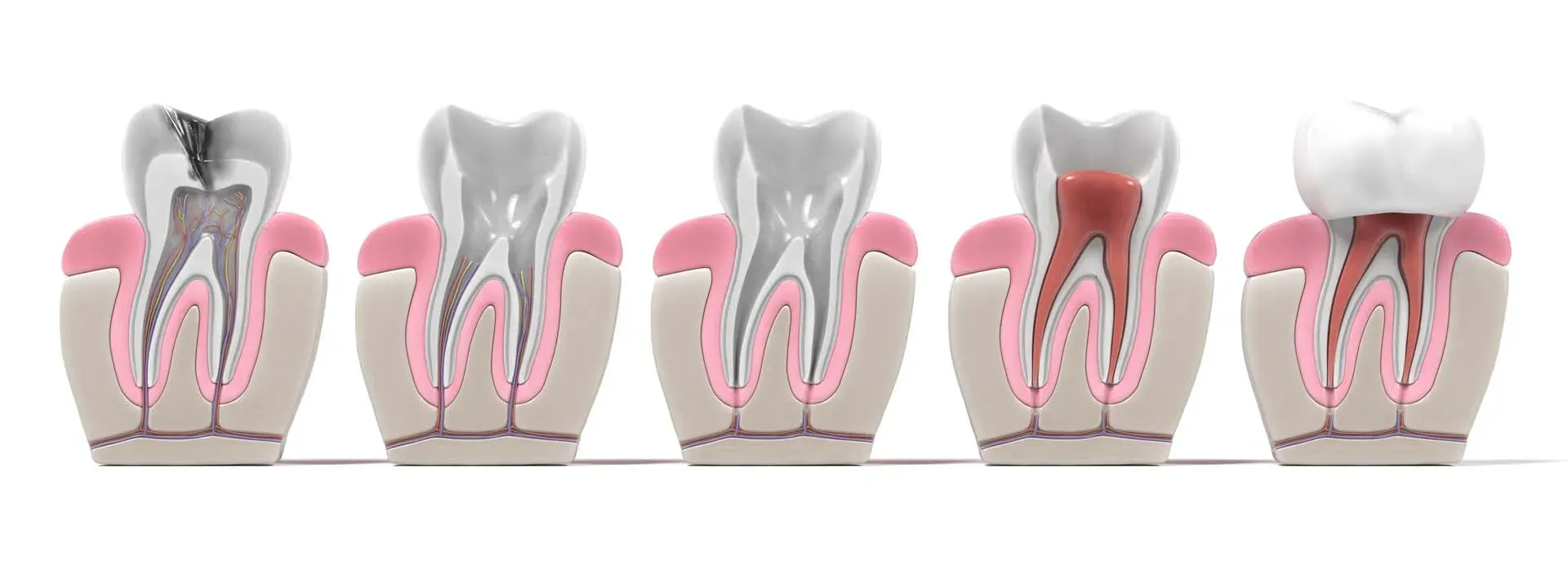
If a nagging toothache has you searching for root canal Salisbury NC care, take a breath, you're in good hands. At Clark Dental, Dr. Chris Clark provides gentle, tooth-saving root canal treatment as part of comprehensive restorative dentistry care, right here in Salisbury. We accept Blue Cross Blue Shield, Cigna, and Delta Dental, and we're welcoming new patients from Salisbury, China Grove, and Spencer, no specialist referral needed.
A root canal sounds intimidating, but it's really a relief procedure. When decay or infection reaches the soft tissue inside a tooth, known as the pulp, a root canal removes that irritated tissue, cleans out the space, and seals it so the tooth can stay right where it belongs. Removing the source of the pain typically brings relief, not more discomfort.
Saving your natural tooth also means avoiding a bridge, implant, or other replacement for a tooth that's been pulled. That keeps your bite pattern intact and often costs less over time. At Clark Dental, root canal treatment in Salisbury NC is offered alongside dental crowns and other restorative options, so if a crown is recommended to protect the tooth afterward, it happens under one roof with a doctor who already knows your smile.
If you're noticing any of these signs, you may already be searching for a root canal Salisbury NC dentist who can help quickly:
If you're dealing with sudden, severe pain or facial swelling, that's a situation for our Emergency Dental Care page, and we'll get you seen as quickly as we can. For less urgent symptoms, a regular appointment gives us time to evaluate the tooth with digital imaging and figure out the right next step together.
A lingering toothache, especially one that throbs or worsens at night
Sharp sensitivity to hot or cold that stays long after the trigger is gone
Swelling or tenderness in the gum near one specific tooth
A visibly cracked, chipped, or darkened tooth
A small bump on the gum that comes and goes, a sign of infection trying to drain
Most root canals at Clark Dental take one to two visits. We start with digital X-rays, and cone beam CT imaging when a closer look at the root structure helps us plan treatment more precisely. Dr. Clark numbs the area thoroughly before starting anything, so you stay comfortable the whole time.
Once you're numb, Dr. Clark removes the infected or inflamed pulp, cleans and shapes the inner canal, and seals it to prevent reinfection. A temporary or permanent filling closes the tooth before you leave. This is the same kind of endodontic treatment Salisbury NC patients have relied on for years, just delivered with modern digital tools and a gentler touch. If you'd like to read more about how root canal care fits into broader treatment for infected teeth, our Endodontics page has additional background.
This is the question almost every patient asks, and it's a fair one. The truth is, the infection or inflammation inside the tooth is what's been causing your ache, not the treatment itself. Once you're numb, most patients describe the procedure as similar to getting a routine filling: some pressure, maybe a little vibration, but no sharp pain. Many people tell us they feel noticeably better walking out than they did walking in, simply because the source of the pain is gone.
When a tooth is badly damaged or infected, you generally have two paths forward: save it with a root canal or remove it entirely. Here's how the two compare.
| Feature | Root Canal | Tooth Extraction |
|---|---|---|
| Tooth preserved | Yes, your natural tooth stays in place | No, the tooth is removed |
| Recovery | Mild soreness for a few days is typical | Longer healing, especially if bone grafting is needed |
| Long-term cost | Often lower over time, since no replacement is needed | May require a bridge, denture, or implant later |
| Additional procedures | Usually a crown to protect the treated tooth | Possible bone grafting and a replacement tooth |
| Appearance & function | Matches your natural bite and smile | Neighboring teeth may shift if the space isn't filled |
For most patients, saving the natural tooth with a root canal is the simpler, more cost-effective path over time. Extraction may still be the right call for teeth with extensive damage or a fracture below the gumline, and Dr. Clark will walk you through your specific situation honestly before recommending a direction.
Most root canals at Clark Dental are completed in one to two visits, depending on the tooth and the extent of infection. Dr. Clark will let you know what to expect for your specific case at your first appointment.
Yes, Clark Dental accepts insurance for root canal Salisbury NC treatment, including Blue Cross Blue Shield, Cigna, and Delta Dental. We also offer financing through CareCredit and Cherry, and our team is glad to walk you through your Insurance & Financing options before treatment begins.
Left untreated, an infected tooth typically doesn't resolve on its own. The infection can spread to surrounding bone and tissue and, in some cases, lead to a dental abscess or more serious health complications. Treating it earlier, whether with a root canal or another option Dr. Clark recommends, is almost always simpler and more comfortable than waiting.
Many patients return to work or normal activities the same day, especially with a morning appointment. You may feel mild numbness for a few hours and some tenderness for a day or two, so plan for a lighter schedule if you can, but a full day off usually isn't necessary.
Whether you searched for root canal treatment near me or a friend in China Grove pointed you our way, we're glad you found us. Tooth pain doesn't have to wait, and neither should you. Dr. Clark and the Clark Dental team are ready to get you comfortable again with gentle, straightforward care.